Decoding the Connection Between Diet and Overall Well-being: A Nutritional Perspective
Published in Mirox Insights
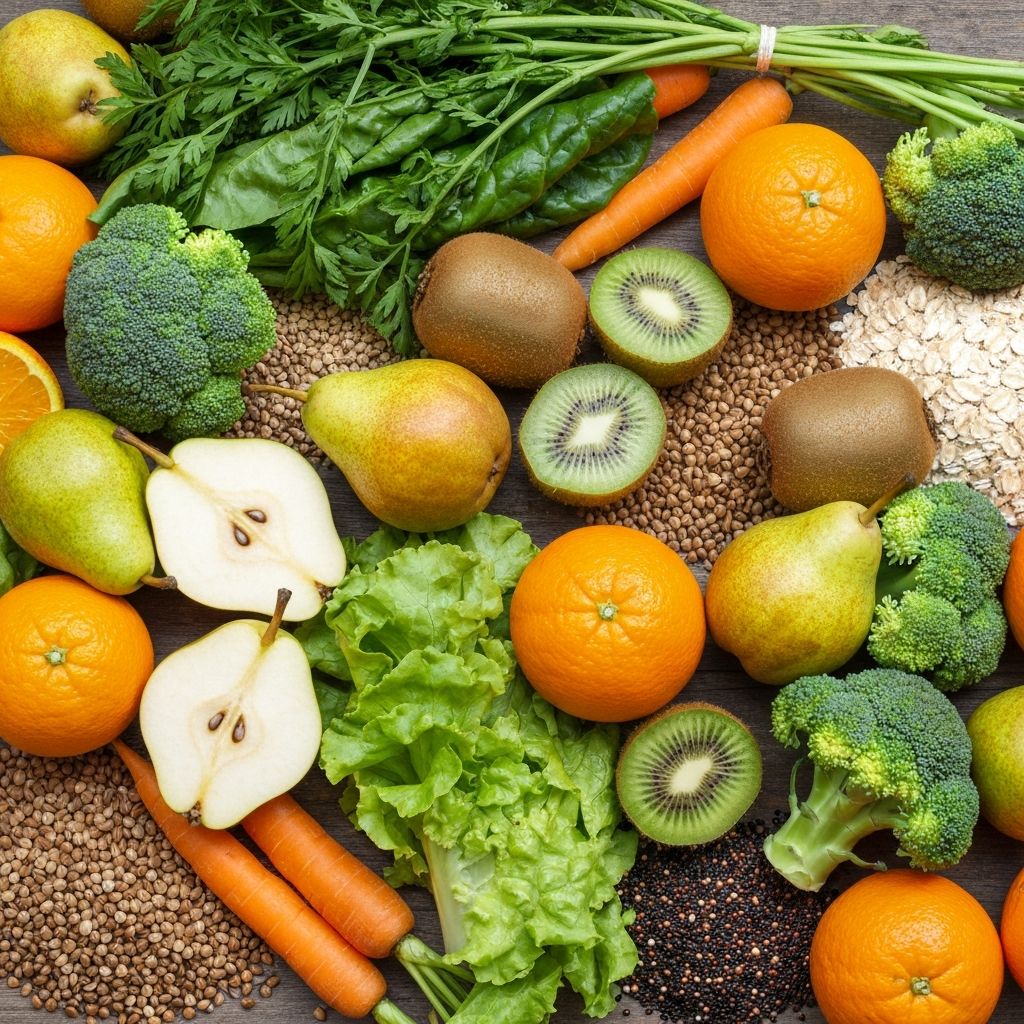
The Fundamentals of Nutrition and Vitality
Nutrition represents the chemical foundation of bodily function. Every cell, from muscle tissue to neural structures, requires specific nutrients for construction, maintenance, and energy production. Understanding basic nutritional principles provides context for how food choices relate to overall vitality and functioning.
Yet "nutrition" extends beyond simple caloric intake. Different foods provide different nutrient profiles, influencing various biological systems. The relationship between dietary patterns and well-being is multifaceted and complex.
Understanding Macronutrients: Proteins, Carbohydrates, and Fats
Macronutrients—the large-scale nutritional components of food—each play distinct roles in bodily function.
Proteins: Composed of amino acids, proteins form the structural basis of muscles, tissues, and numerous enzymes and hormones. They support immune function, tissue repair, and neurotransmitter synthesis. Sources include plant and animal foods.
Carbohydrates: Provide the primary energy source for immediate bodily functions and brain activity. Complex carbohydrates found in whole grains, legumes, and vegetables also provide fiber, which supports digestive function and stable energy distribution.
Fats: Essential for hormone production, cell membrane structure, and the absorption of fat-soluble vitamins. Not all fats function identically in the body; different fat types have different metabolic consequences.
The Spectrum of Micronutrients
Beyond macronutrients, the body requires numerous micronutrients—vitamins and minerals—in smaller quantities but with essential functions.
Vitamin B complex supports energy metabolism and neural function. Vitamin D influences bone health, immune function, and mood regulation. Iron supports oxygen transport. Zinc contributes to immune function and wound healing. Magnesium supports muscle and nerve function.
These micronutrients are not independent; they often work synergistically, with one nutrient enabling the utilization of another.
Food Groups and Nutritional Density
Different food groups provide different nutrient combinations. Understanding these categories provides a framework for balanced eating patterns.
Vegetables: Rich in vitamins, minerals, and fiber; generally low in calories. Different colored vegetables provide different nutrient profiles.
Fruits: Contain natural sugars, fiber, vitamins, and antioxidant compounds. Provide nutrients in a concentrated form.
Whole Grains: Provide complex carbohydrates, fiber, and B vitamins. Support stable energy distribution.
Legumes: Plant-based sources of protein and fiber. Provide essential amino acids in combination with whole grains.
Nuts and Seeds: Provide healthy fats, proteins, and micronutrients in concentrated forms.
Nutritional Balance Rather Than Restriction
The concept of "balanced" eating emphasizes variety and moderation rather than elimination or extreme restriction. Different individuals have different nutritional needs based on activity level, age, health status, and individual physiology.
A varied diet that includes foods from multiple groups provides broader nutrient coverage than overly restrictive patterns. The goal is nourishment—providing the body with diverse resources required for optimal function.
Individual Variation in Nutritional Needs
Nutritional requirements vary significantly between individuals. Age, gender, physical activity level, metabolism, and health status all influence optimal nutrient consumption.
What constitutes "balanced" nutrition for one person may differ for another. Individual circumstances determine optimal nutritional approaches.
The Interconnection with Other Well-being Factors
Nutrition does not function in isolation. Its relationship to overall well-being is deeply influenced by sleep quality, physical activity, stress management, and other lifestyle factors. A well-nourished body supported by adequate sleep and physical activity demonstrates greater resilience than nutrition alone provides.
This resource provides general information for educational purposes only. It is not intended to be a substitute for professional advice or to provide individual recommendations. Everyday life offers a variety of approaches to well-being, and personal decisions should always be made with careful consideration of individual circumstances.